




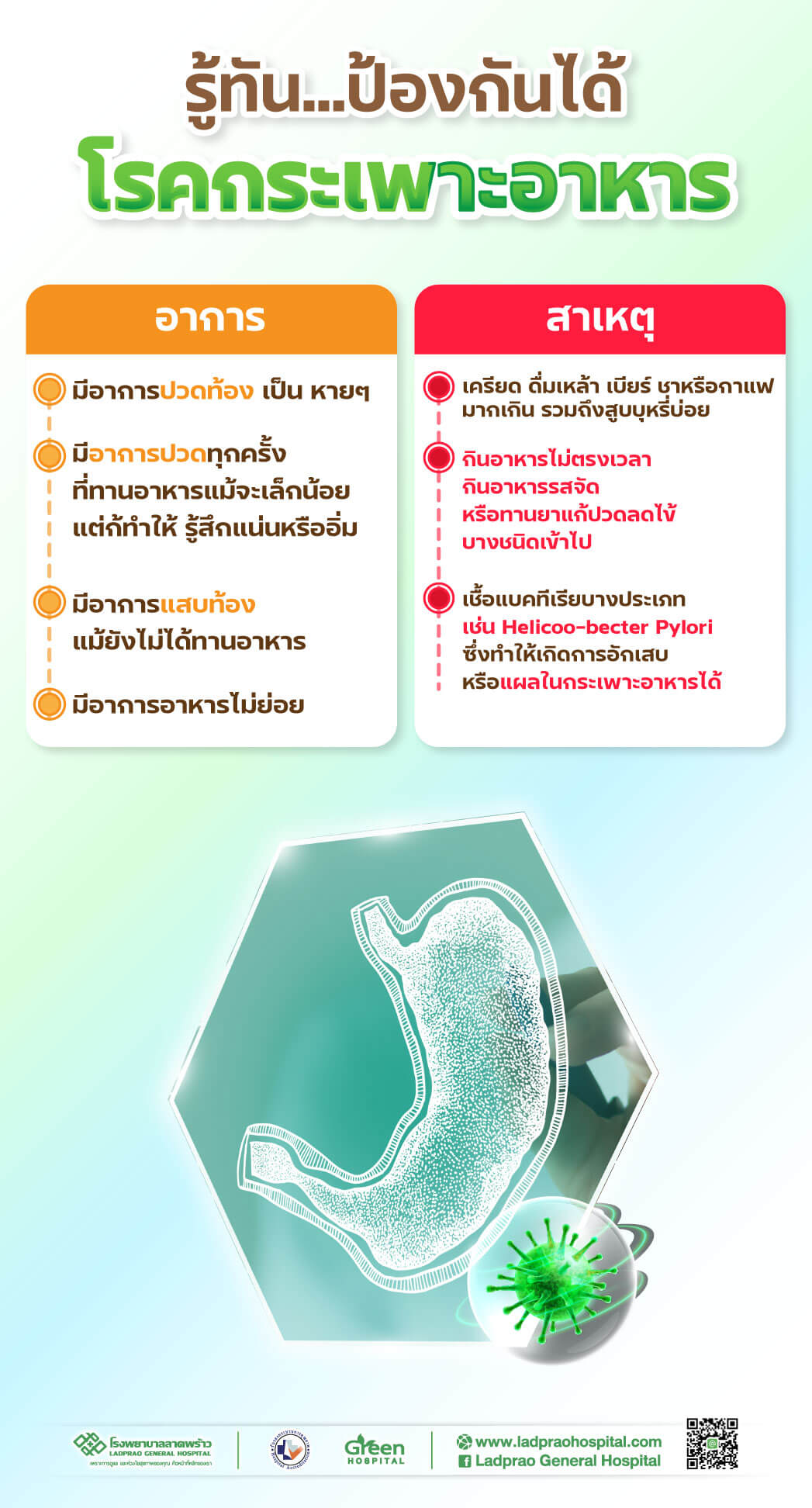
» Gastric disease.
- This is a condition where the gastric mucosa (stomach lining) becomes inflamed or irritated. It can be caused by a variety of factors and presents with different symptoms, ranging from mild to severe, and may lead to complications.
» Common Causes of Gastritis.
- H. pylori infection is the primary cause of stomach ulcers. This bacteria is typically transmitted through contaminated food and water.
- Poor eating habits: Skipping meals, leaving your stomach empty for too long, or eating excessively large meals.
- Eating spicy, very sour, or greasy foods can irritate the stomach lining and make it work harder.
- Taking certain medications: Nonsteroidal anti-inflammatory drugs (NSAIDs) like aspirin and ibuprofen.
- Other risk factors: Drinking alcohol, tea, or coffee, and smoking.
- Stress: Stress and anxiety can trigger the body to produce more stomach acid.
» Symptoms of stomach disease.
- Abdominal pain: Pain is usually felt in the area below the sternum or in the upper abdomen above the navel. It may be a burning, aching, or a dull ache. The pain is often related to meals, such as when hungry or on an empty stomach, or after eating.
- Stomach tightness, bloating, flatulence: gas in the stomach.
- Nausea vomiting.
- Feeling full quickly.
» If symptoms become more severe, there may be other symptoms that indicate complications, such as:
- Vomiting blood
- Black or bloody stools.
- Unusual weight loss.
- Pale yellow (jaundice)
- Severe abdominal pain lasting for several hours.
» Treatment of stomach diseases.
- Medication: Your doctor may prescribe medications to reduce stomach acid, stomach coating medications, or medications to kill H. pylori bacteria if H. pylori is detected.
- Adjusting eating habits.
- Eat every meal on time, never leave your stomach empty.
- Eat small, frequent meals.
- Avoid spicy, fried, greasy, and pickled foods.
- Avoid alcoholic beverages, tea, coffee, and soft drinks.
- Other behavioral adjustments.
- Refrain from smoking.
- Avoid stress and get enough rest.
- Exercise regularly.
» Prevention of stomach disease.
- Eat on time: Do not leave your stomach empty for more than 3 hours.
- Choose healthy foods: Chew your food thoroughly and eat easily digestible foods.
- Maintain good hygiene: Eat cooked, clean food, use a serving spoon, and wash your hands thoroughly to prevent H. pylori infection.
- Avoid risk factors: Avoid alcohol, smoking, and medications that may irritate the stomach.
- Manage stress: Find ways to relieve stress, such as doing activities you enjoy and getting enough rest.
You can ask for more information at Gastrointestinal and Liver Center, Building 3, 2nd Floor, Tel. 0 2530 2556 ext. 3210